

Old documents may be forgotten, but they’re still online and if they’re not accessible, they still...
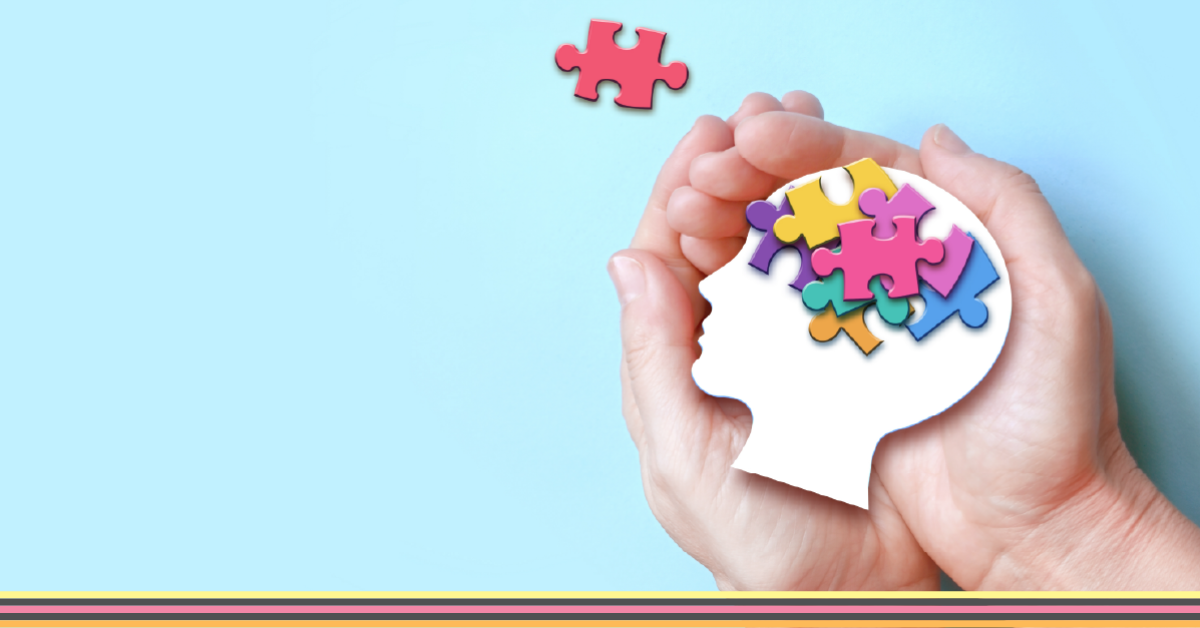
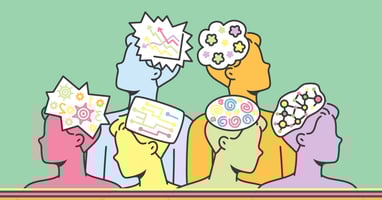
In recent years, the concept of neurodiversity has reshaped how we understand the human brain. Rather than seeing certain conditions as deficits or disorders, neurodiversity recognises that differences in how people think, learn and experience the world are natural variations of the human brain.
Research suggests that a significant portion of the population, up to around 15–20%, may be neurodivergent in some way, highlighting just how common these differences are.
Neurodiversity is not a single condition. It is an umbrella term that includes a wide range of neurological profiles, each with its own characteristics, strengths, and challenges.
Common Types of Neurodiversity (and what they mean)
1. Autism (Autism Spectrum Condition)
Autism affects how a person communicates, processes sensory information, and interacts socially.
- Often associated with deep focus, pattern recognition and honesty
- May involve sensory sensitivities or difficulty with social cues
Autism exists on a spectrum, meaning experiences vary widely from person to person.
2. ADHD (Attention Deficit Hyperactivity Disorder)
ADHD relates to differences in attention, impulse control and energy levels.
- Strengths: creativity, quick thinking, high energy
- Challenges: focus, organisation, time management
It’s not just about “being distracted”, it’s about a brain that regulates attention differently.
3. Dyslexia
Dyslexia primarily affects reading and language processing.
- Difficulty with reading, spelling and decoding words
- Often strong in visual thinking, creativity and problem-solving
It is one of the most common forms of neurodivergence.
4. Dyspraxia (Developmental Coordination Disorder)
Dyspraxia affects movement and coordination.
- Challenges with motor skills (e.g. handwriting, sports, coordination)
- Strengths may include determination, strategic thinking and creativity
5. Dyscalculia
Dyscalculia involves difficulty understanding numbers and mathematical concepts.
- Challenges with calculations, time, and numerical reasoning
- Often accompanied by strengths in other areas like language or creativity
6. Tourette Syndrome
Tourette Syndrome is a neurological condition involving involuntary movements or sounds called tics.
- Tics can be physical or vocal
- Many individuals also have strong focus and resilience
7. Sensory Processing Differences
Some people experience the world more intensely or less intensely through their senses.
- Over- or under-sensitivity to sound, light, touch, or textures
- Can affect daily environments like classrooms or workplaces
8. Mental Health and Cognitive Differences
Neurodiversity can also include conditions such as:
- Anxiety
- Depression
- OCD (Obsessive Compulsive Disorder)
- Bipolar disorder
These are increasingly considered within the broader neurodiversity framework because they influence how individuals think, feel and interact.
9. Learning Differences (e.g. Dysgraphia)
Some individuals experience differences in writing or expression.
- Dysgraphia affects writing ability and fine motor skills
- Often co-occurs with other neurodivergent profiles
An Important Truth: There Is No Single “Type”
There is no fixed number of neurodivergent types. Neurodiversity represents a spectrum of human variation and many people experience more than one type (for example, ADHD and dyslexia together).
This overlap highlights something important: these are not rigid categories, they are ways of describing patterns, not defining people.
Why Neurodiversity Matters
The neurodiversity perspective shifts us away from asking:
“What’s wrong with this person? ”to asking: “What does this person need to thrive?”
It recognises that differences can bring strengths such as:
- Creativity
- Innovation
- Problem-solving
- Unique perspectives
At the same time, challenges often arise not from the individual, but from environments that are designed for only one way of thinking.
Rethinking Education and Inclusion
Understanding neurodiversity has powerful implications for education. Traditional teaching methods often assume that all students learn in the same way. But this simply isn’t true.
Small changes can make a big difference, such as:
- Offering multiple ways to learn (visual, verbal, hands-on)
- Allowing flexible pacing and structure
- Giving clear instructions and predictable routines
- Encouraging different ways to demonstrate knowledge
Interestingly, research and practice show that these supports don’t just help neurodivergent learners, they improve learning for everyone.
Neurodiversity reminds us of a simple but powerful truth: there is no single “normal” way for a brain to work. Human minds are naturally diverse and that diversity is something to be understood, supported and valued not reduced to labels or boxes.
When we recognise the many types of neurodiversity, we begin to see that education, workplaces and society as a whole should not force people to fit a narrow model. Instead, we can design systems that adapt to people.
Because when we change the way we teach, communicate and include others, we don’t just support a few individuals we create environments where everyone has the opportunity to thrive.